


Microplastics alter seabird gut microbiota
 Mar 29, 2023|
 View:1677
Microplastics are plastic fragments less than 5mm wide. According to the latest research, there are about 2.3 million tons of microplastics floating in the ocean. Seabirds, long-lived and on long-distance migratory routes, tend to forage in the ocean and are often exposed to and eat this plastic.
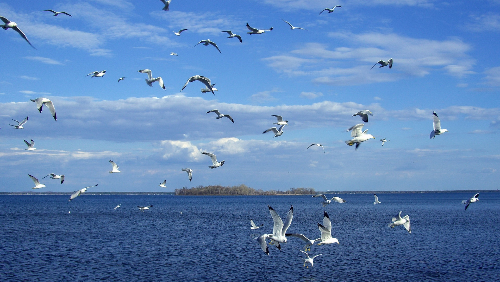
In the new study, Gloria Falkman of the University of Trento and colleagues examined gut microbiome samples taken from two species of gulls in the North Atlantic, including 58 Cory fulmars and 27 fulmars. . Gut microbes include bacteria, fungi, viruses, and other microbes. The research team also sorted through the stomach remains of each dead bird and carefully sifted for plastic particles.
The analysis showed that the greater the number of plastic particles, the more diverse the microbiome. Seabirds that ingested the most microplastic debris had more antibiotic-resistant microbes in their guts. Some zoonotic pathogens that can transmit pathogens between humans and animals were also more abundant in the guts of birds that consumed the most microplastics. What's more, the populations of health-related microbes in the guts of these birds were also reduced.
Plus, harmful bacteria like Corynebacterium sicca appear to thrive when microplastics are abundant in the seabirds' guts. In humans, Corynebacterium sicca can cause heart inflammation, brain abscesses and infections.